Unlocking Real-World Earnings Through Virtual Reality Business Simulations


Introduction to Virtual Reality Business Simulations
In today's rapidly evolving technological landscape, virtual reality (VR) is no longer confined to gaming and entertainment. Businesses are increasingly leveraging VR to create immersive simulations that mirror real-world business environments. These simulations not only provide valuable training but also unlock tangible earnings by enhancing skills, improving decision-making, and increasing productivity.
Virtual reality business simulations offer a unique blend of engagement and practical learning. By placing users in lifelike scenarios, these simulations provide a safe space for experimentation and growth. The potential to translate these virtual experiences into real-world success is both exciting and unprecedented.
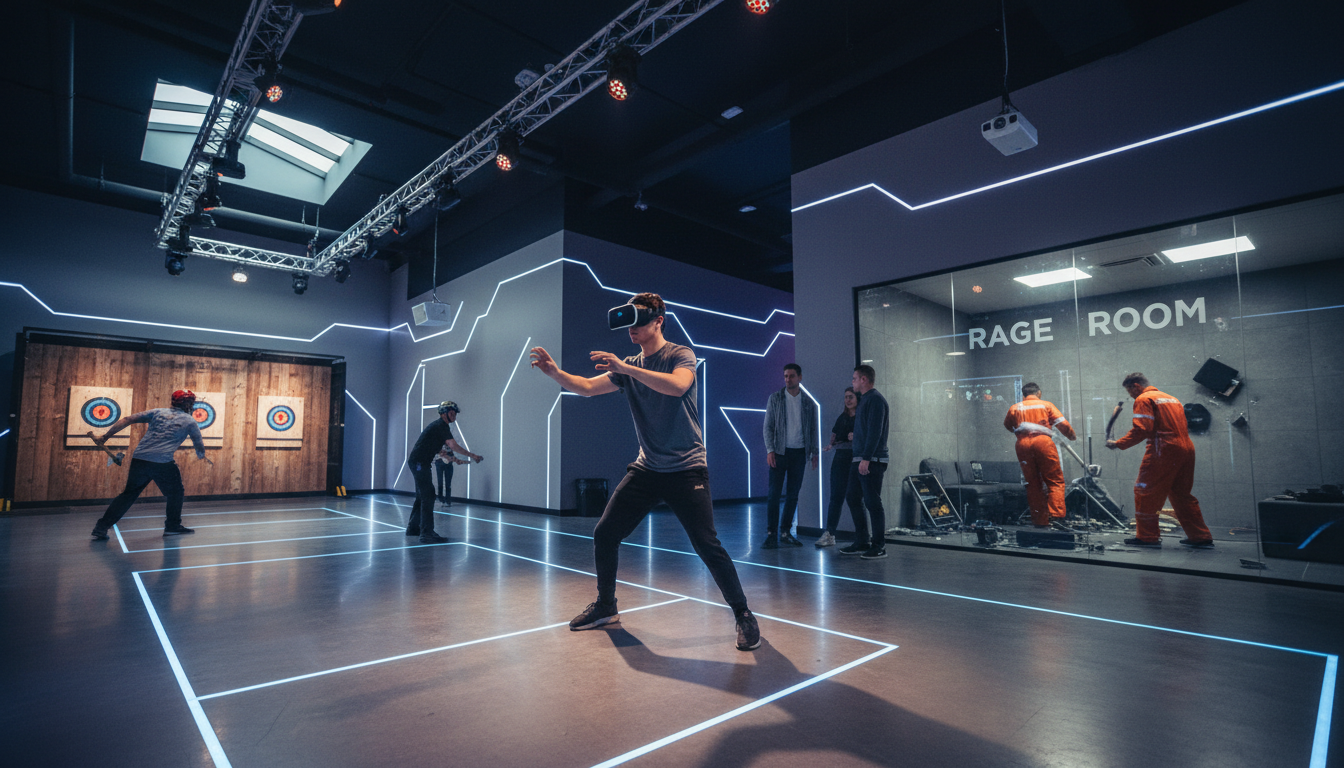
The Benefits of VR Business Simulations
One of the most significant advantages of VR business simulations is their ability to provide hands-on experience without the associated risks and costs of real-world training. Employees can learn and make mistakes in a controlled environment, which accelerates the learning process and builds confidence.
Moreover, VR simulations can be customized to fit specific industry needs. Whether it's retail, healthcare, or finance, these simulations can be tailored to mimic exact business scenarios, ensuring that the training is relevant and effective. This adaptability makes VR a versatile tool for a wide range of sectors.
Enhancing Decision-Making Skills
Decision-making is a critical skill in any business setting, and VR simulations offer an excellent platform for honing this ability. By presenting complex, real-world challenges in a virtual environment, users can practice and refine their decision-making skills without real-world consequences.

Translating Virtual Success to Real-World Earnings
The ultimate goal of VR business simulations is to translate virtual successes into real-world earnings. This is achieved by equipping employees with the skills and confidence needed to excel in their roles. As employees become more proficient, businesses can expect to see improvements in efficiency, productivity, and, ultimately, profitability.
For instance, sales teams can use VR to practice pitches and negotiation strategies, leading to increased sales performance. Similarly, customer service representatives can simulate interactions with clients to improve their communication skills and boost customer satisfaction.
Case Studies and Success Stories
Many companies have already started reaping the benefits of VR business simulations. For example, a leading retail chain implemented VR training for its staff, resulting in a 30% increase in sales within the first quarter. Another company in the healthcare sector used VR to train surgeons, reducing errors and enhancing patient outcomes.

The Future of VR in Business
As technology continues to advance, the potential applications for VR in business are virtually limitless. Emerging trends such as AI integration and advanced analytics promise to make VR simulations even more powerful and effective. Companies investing in VR now are setting themselves up for long-term success.
Furthermore, as VR technology becomes more accessible and affordable, even small businesses can leverage these tools to gain a competitive edge. By embracing VR business simulations, companies can ensure they are not only keeping up with the competition but also leading the way in innovation.

Conclusion
In conclusion, unlocking real-world earnings through virtual reality business simulations is not just a futuristic idea—it's a present-day reality. By embracing this technology, businesses can enhance training, improve decision-making, and ultimately increase their bottom line. As VR continues to evolve, its role in business will only grow, making it an essential tool for success in the modern world.