Mastering Business Acquisitions in Virtual Reality: A Beginner’s Guide


Understanding Virtual Reality in Business Acquisitions
Virtual Reality (VR) is rapidly transforming industries, and business acquisitions are no exception. By immersing stakeholders in a virtual environment, VR can streamline the acquisition process, making it more efficient and effective. This guide will help beginners navigate the world of business acquisitions using VR technology.
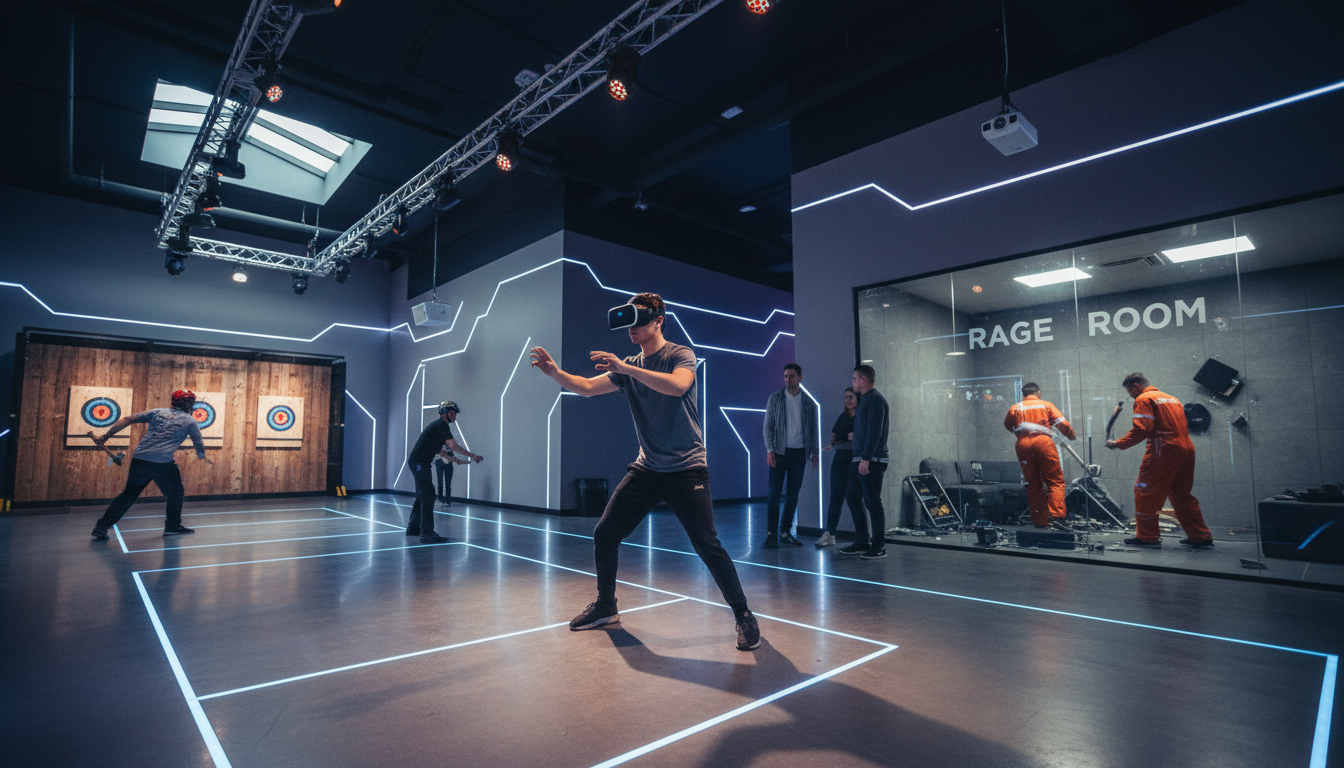
The Benefits of Using VR in Acquisitions
Implementing VR in business acquisitions offers numerous advantages. First, it provides a realistic simulation of potential business outcomes, allowing stakeholders to visualize the future of the merged entities. This can lead to more informed decision-making.
Additionally, VR facilitates remote collaboration by allowing teams from different locations to meet in a virtual space. This capability reduces the need for travel, saving both time and money while ensuring that all parties can participate actively in the process.

Getting Started with VR in Business Acquisitions
To begin using VR in acquisitions, businesses should invest in the right technology. This includes VR headsets and software that supports immersive experiences. Selecting the appropriate tools is crucial, as they must align with your organization's specific needs and goals.
Training is another essential step. Employees and stakeholders need to be comfortable with the technology to fully leverage its potential. Providing comprehensive training sessions can significantly enhance the overall experience and effectiveness of the process.

Steps to Master VR Acquisitions
Here’s a step-by-step guide to mastering business acquisitions in VR:
- Research: Understand the basics of VR technology and its applications in business acquisitions.
- Plan: Define your goals and how VR can help achieve them.
- Invest: Purchase the necessary VR equipment and software.
- Train: Conduct training sessions for all involved parties.
- Implement: Begin incorporating VR into your acquisition processes.
- Review: Continuously evaluate the effectiveness of VR in your acquisitions.
Overcoming Challenges
While VR offers significant benefits, there are challenges to consider. Technical issues, such as software compatibility and hardware limitations, can hinder the process. It's essential to work closely with IT professionals to address these challenges proactively.
Another potential hurdle is the learning curve associated with new technology. Ensuring that all stakeholders are comfortable and proficient with VR tools is vital for a smooth acquisition process.

Future of VR in Business Acquisitions
The future of VR in business acquisitions looks promising. As technology continues to evolve, we can expect even more immersive and interactive experiences. These advancements will likely further enhance the efficiency and effectiveness of acquisition processes.
Staying ahead of the curve by keeping informed about the latest trends and innovations in VR technology will be crucial for businesses looking to leverage these tools in acquisitions.