Latest VR Gaming Trends in Canada: Revolutionizing Business Education


Introduction to VR in Business Education
The integration of Virtual Reality (VR) into business education is transforming how students learn and interact with complex concepts. In Canada, this trend is gaining momentum, offering immersive and interactive experiences that traditional methods simply cannot match. By simulating real-world scenarios, VR provides a hands-on approach to learning, making abstract theories more tangible.
The Growth of VR Gaming in Canada
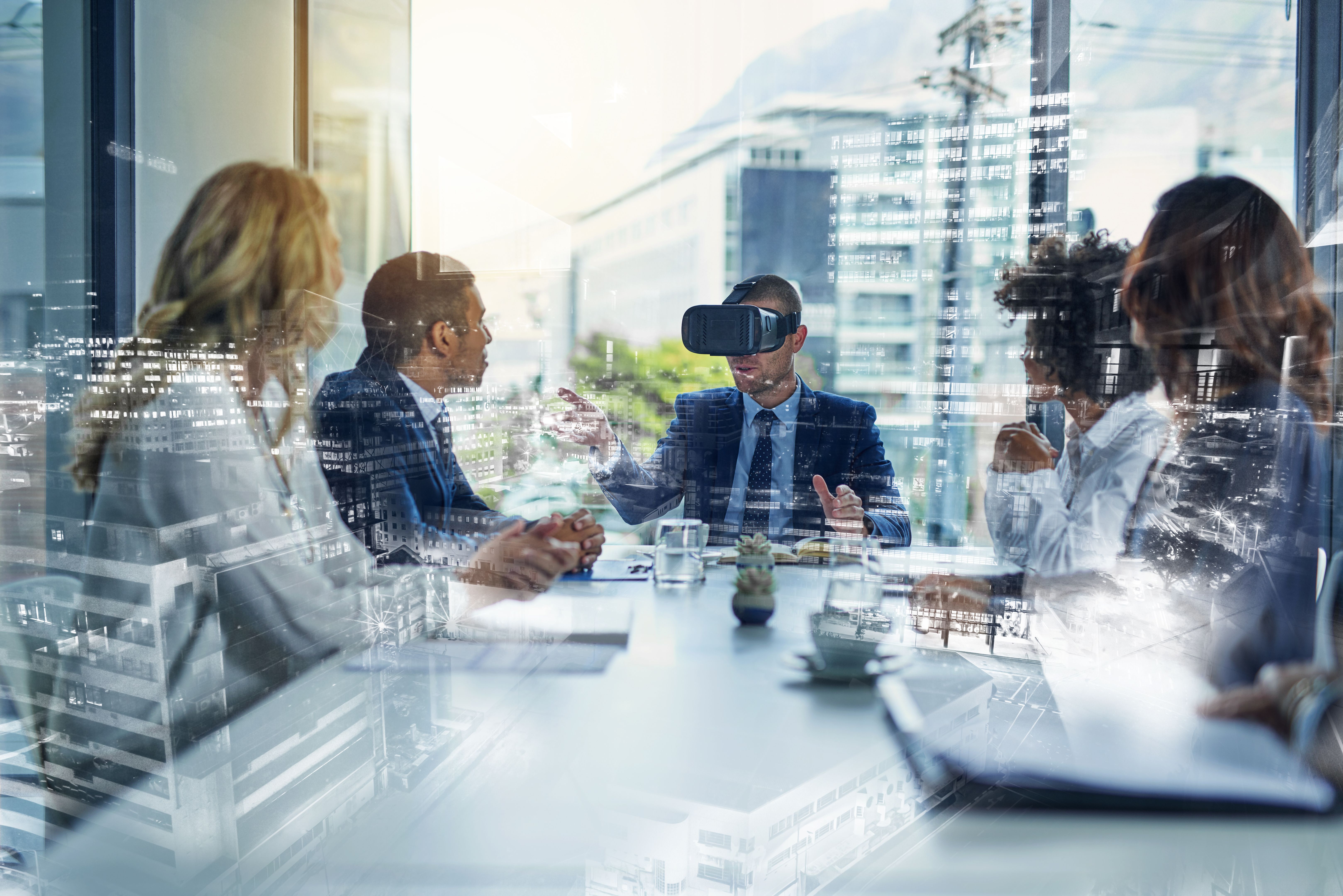
Canada's gaming industry is renowned for its innovation, and VR is no exception. With a growing number of VR gaming startups and established companies investing in this technology, Canada is becoming a hub for VR development. This growth is paving the way for educational applications, where gaming principles are used to enhance learning experiences.
VR gaming in Canada is not just about entertainment; it's about creating interactive learning environments. These environments allow students to engage with content in a way that is both educational and entertaining, blurring the lines between play and study.
Benefits of VR in Business Education
One of the most significant advantages of using VR in business education is the ability to simulate real-life business scenarios. Students can practice decision-making, risk management, and strategic planning in a controlled environment. This immersive learning helps them develop critical thinking and problem-solving skills.
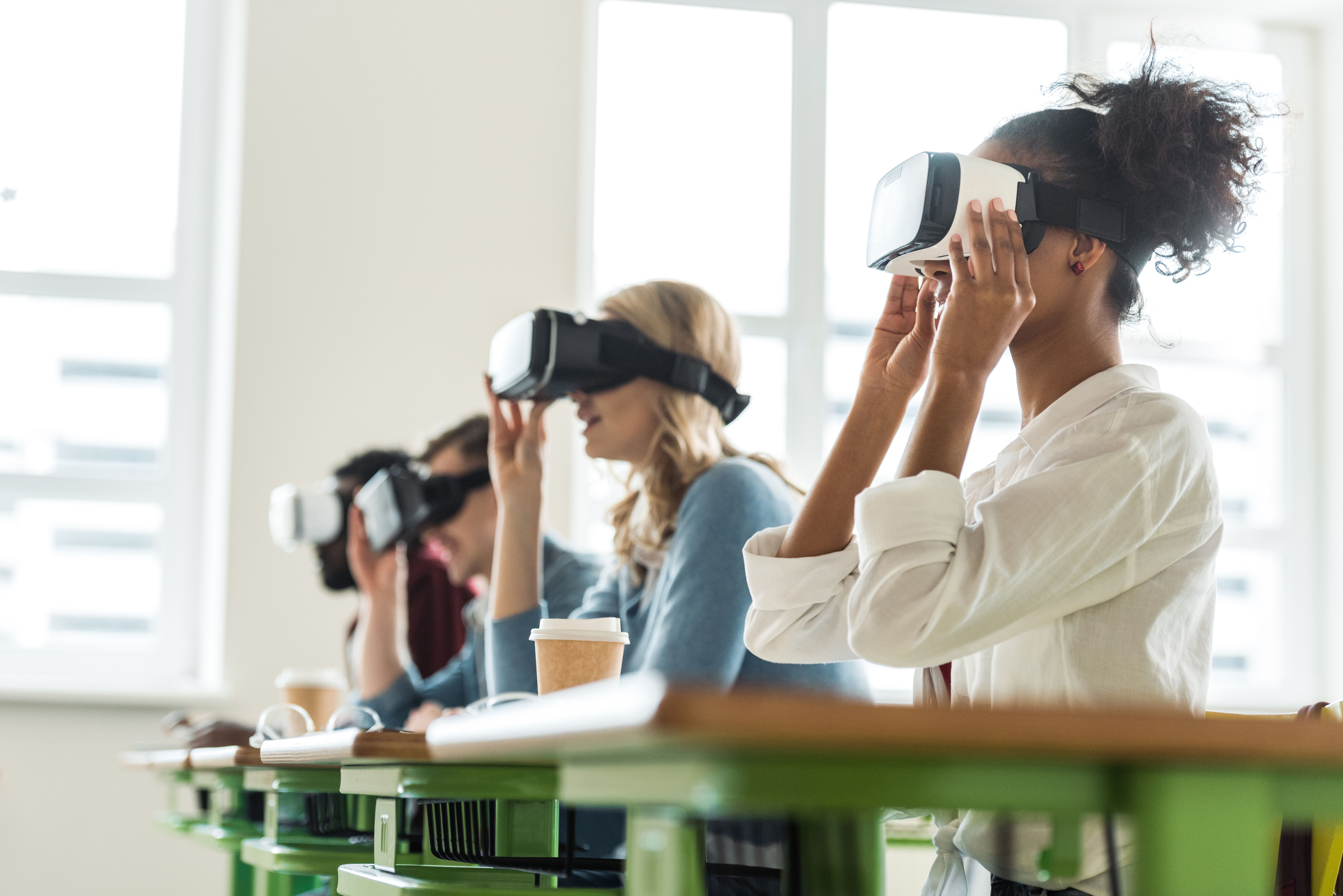
Moreover, VR allows for personalized learning experiences. Students can progress at their own pace, revisiting complex topics as needed. This flexibility ensures that all learners, regardless of their initial skill level, can benefit from the technology.
Innovative VR Applications in Business Schools
Several business schools in Canada are already incorporating VR into their curricula. For example, students might use VR to simulate international trade negotiations or explore global markets. These applications provide a realistic understanding of concepts that are difficult to grasp through traditional teaching methods.
- Interactive Case Studies: Students can engage with dynamic case studies that evolve based on their decisions.
- Virtual Internships: VR offers simulated internships, providing practical experience without leaving the classroom.
- Collaborative Projects: VR enables students from different locations to work together on projects, fostering teamwork and communication skills.
Challenges and Considerations
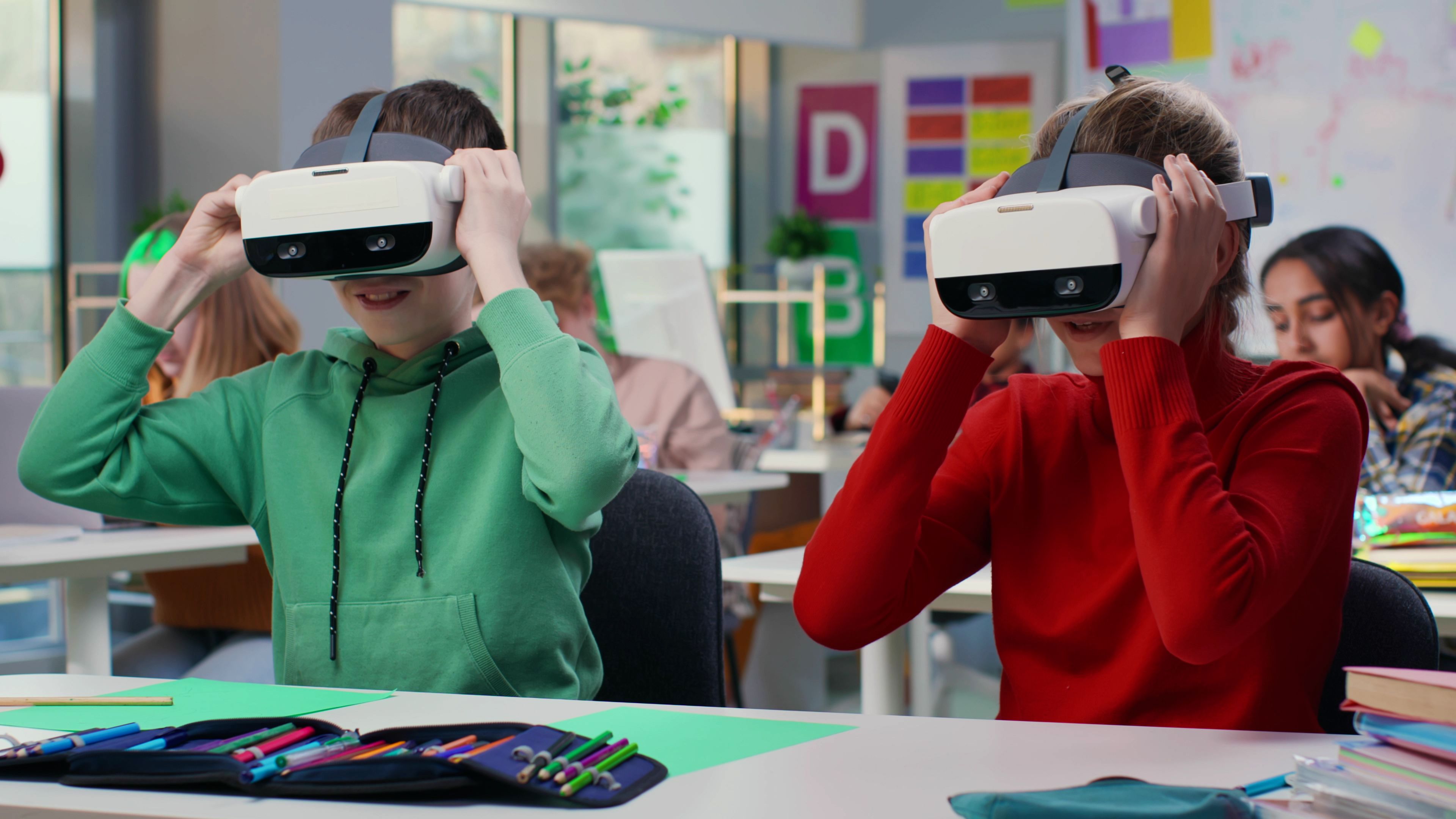
While the benefits are clear, integrating VR into business education comes with challenges. The cost of VR equipment and the need for specialized software can be prohibitive for some institutions. Additionally, educators must be trained to effectively use these tools in their teaching.
Despite these challenges, the potential of VR in transforming business education is undeniable. As technology becomes more accessible, it's expected that more institutions will adopt VR, making it a standard part of the educational landscape.
The Future of VR in Education
The future of VR in business education looks promising. As technology advances, we can expect even more sophisticated applications that enhance learning outcomes. With continued investment and innovation, VR will likely become an integral part of business education in Canada and beyond.
By embracing VR, educational institutions are not only enhancing their teaching methods but also preparing students for a future where technology and business are increasingly intertwined.