Exploring Blockchain in Business Simulation Games: The Quantum Advantage

Understanding the Integration of Blockchain in Business Simulation Games
As the digital world continues to evolve, the integration of blockchain technology into various sectors remains a hot topic. One intriguing area where blockchain is making significant strides is business simulation games. This combination is not only innovative but also transformative, offering a new dimension of realism and security.
Business simulation games have long been used as educational tools, providing players with insights into complex business strategies. With blockchain, these games can offer more than just simulated experiences—they can provide authentic, secure environments where players can experiment with real-world economic principles.
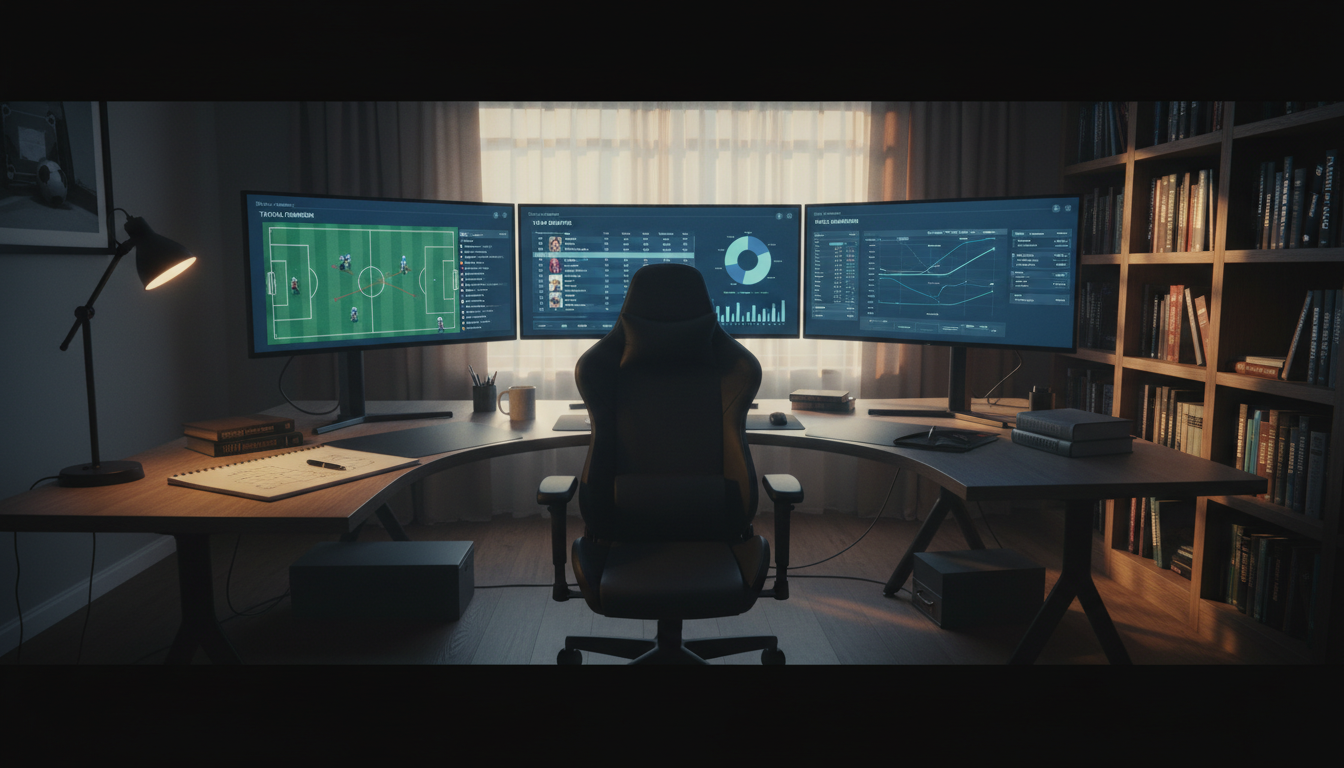
The Role of Blockchain in Enhancing Game Mechanics
Blockchain technology brings a plethora of benefits to business simulation games, primarily through its decentralized nature. By incorporating blockchain, developers can create games where every transaction is transparent and immutable. This transparency fosters trust among players, as every action is recorded on a public ledger.
Moreover, blockchain enables the creation of digital assets that players can own and trade within the game. These assets can represent anything from virtual real estate to company shares. The secure nature of blockchain ensures that these assets cannot be duplicated or tampered with, adding a layer of realism and value to the gaming experience.
Real-World Applications and Learning Opportunities
One of the most compelling aspects of using blockchain in business simulation games is the potential for real-world applications. Players can experiment with blockchain-based financial models, gaining insights into the dynamics of cryptocurrency markets and decentralized finance (DeFi). This hands-on experience is invaluable for understanding the complexities of modern finance.
Educational institutions and corporate training programs are increasingly recognizing the benefits of such simulations. By adopting blockchain in their curricula, they can offer students and employees an immersive learning experience that bridges the gap between theory and practice.
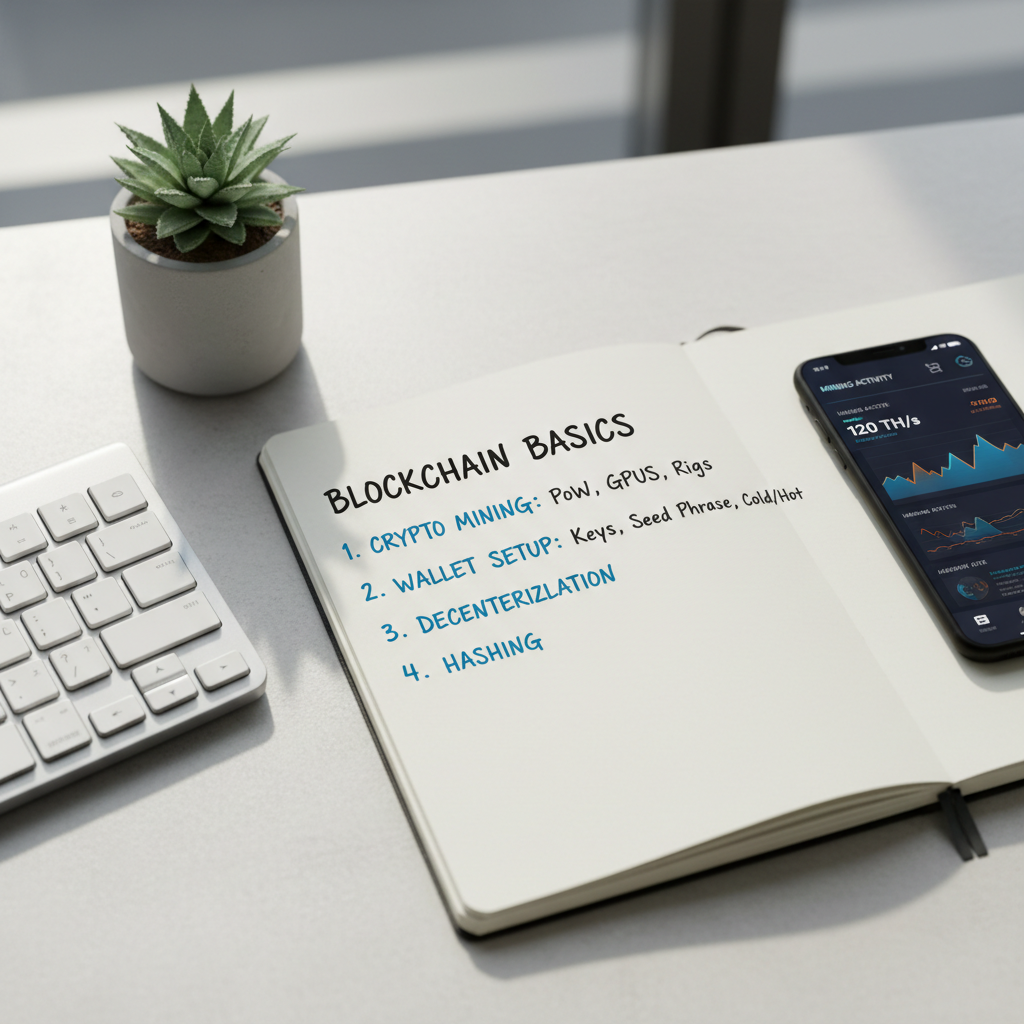
The Quantum Advantage: A Glimpse into the Future
As blockchain technology continues to evolve, the integration of quantum computing presents a fascinating frontier. Quantum computing has the potential to exponentially increase the processing power available for blockchain applications, making transactions faster and more efficient.
The synergy between blockchain and quantum computing could revolutionize business simulation games. With enhanced computational capabilities, developers can create more complex and sophisticated simulations, offering players a deeper understanding of global economic systems and strategies.
Challenges and Considerations
While the integration of blockchain in business simulation games is promising, it is not without challenges. Developers must consider issues related to scalability, as blockchain networks can become congested with increased usage. Additionally, the complexity of blockchain technology requires players to have a certain level of technical understanding.
However, these challenges are not insurmountable. By focusing on user-friendly interfaces and innovative solutions, developers can create engaging and accessible experiences that leverage the full potential of blockchain.
Conclusion: Embracing a New Era of Gaming
The fusion of blockchain technology with business simulation games marks the beginning of a new era in gaming. By providing realistic, secure, and educational experiences, these games have the potential to transform how we understand and interact with digital economies.
As we continue to explore the possibilities of blockchain and quantum computing, the future of business simulation games looks incredibly promising. Whether for education, training, or entertainment, the quantum advantage offers endless opportunities for innovation and growth in the gaming industry.