Emerging VR Technologies in BC: Transforming Business Education


Introduction to VR in Business Education
British Columbia is at the forefront of integrating emerging technologies into education, and Virtual Reality (VR) is proving to be a game-changer. As businesses evolve in a digital-first world, the need for immersive and interactive learning experiences is greater than ever. VR offers a unique opportunity to transform how business education is delivered, making it more engaging and effective.
The adoption of VR in business education enables students to experience real-world scenarios in a controlled environment. This technology bridges the gap between theoretical knowledge and practical application, preparing students for the challenges they will face in their careers.
Enhancing Learning Experiences
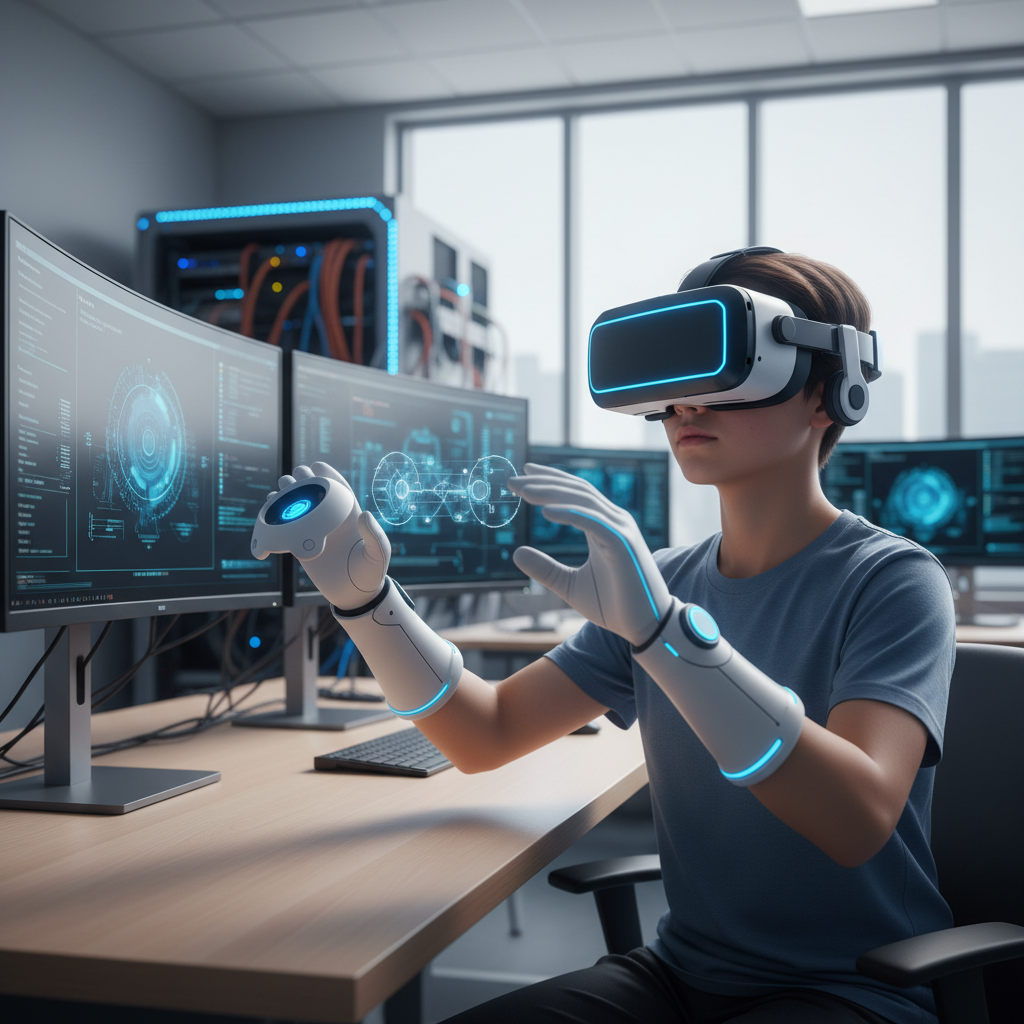
VR creates immersive learning experiences that traditional methods simply cannot match. Students can explore complex business environments, participate in decision-making processes, and interact with virtual colleagues and clients. This hands-on approach fosters a deeper understanding of business concepts and enhances critical thinking skills.
Moreover, VR allows for the simulation of various business scenarios, such as managing a crisis, conducting meetings, or launching a new product. These simulations provide students with a safe space to experiment and learn from their mistakes without real-world consequences.
Interactive Case Studies
One of the most exciting applications of VR in business education is the development of interactive case studies. These case studies allow students to step into the shoes of business leaders, analyze situations, and make strategic decisions. This interactive approach not only boosts engagement but also helps students develop problem-solving and decision-making skills.

Collaboration and Networking
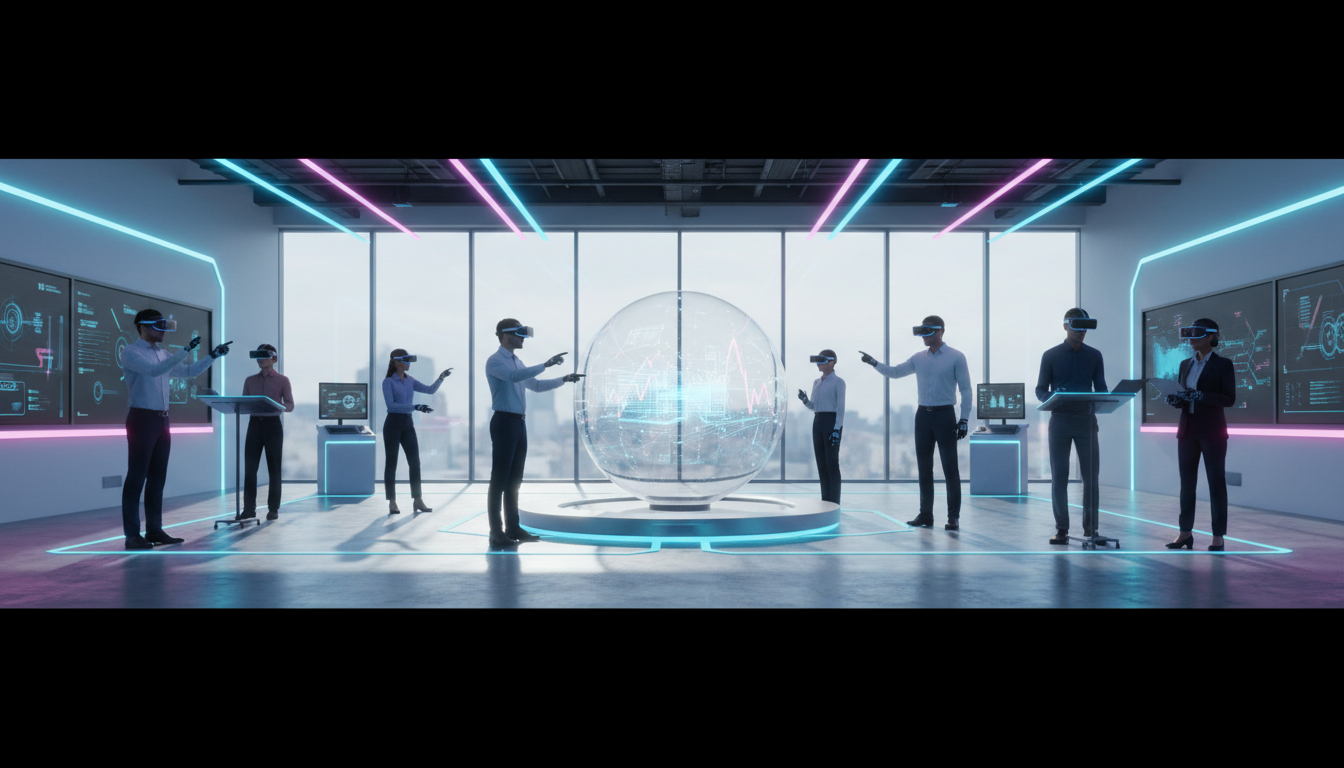
VR technology facilitates collaboration and networking among students and professionals, regardless of geographic location. Virtual classrooms and meeting spaces enable participants to connect and collaborate in real-time, fostering a sense of community and shared learning.
Additionally, VR can host virtual conferences and workshops, bringing together experts and learners from around the world. This global perspective enriches the educational experience and exposes students to diverse business practices and cultures.
Real-World Applications
By incorporating VR into business education, institutions in BC are preparing students for the real-world applications of this technology. Industries such as retail, real estate, and healthcare are already leveraging VR for training and development, and business students equipped with VR experience will be well-positioned to lead in these fields.
Challenges and Future Prospects
While the benefits of VR in business education are clear, there are challenges to consider. High costs of VR equipment and a need for technical expertise can be barriers to widespread adoption. However, as technology advances and becomes more affordable, these challenges are likely to diminish.
Looking ahead, the future of VR in business education in BC is promising. As more institutions adopt this technology, we can expect to see innovative applications and new opportunities for students and educators alike. The integration of VR signals a shift towards a more dynamic and engaging learning environment, ultimately transforming business education for the better.